 Facebook
 Goodreads
 LinkedIn
 Meera Lester
 Twitter


Satsuma Mandarin Oranges
Do you have a space for a small container tree on your patio or garden? How about sunny area in your home where a small tree (perhaps a dwarf cultivar) could thrive? Do you find the idea of growing your own citrus appealing? If you answered yes, consider planting a Satsuma mandarin orange.
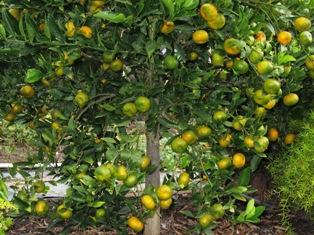
The Satsuma mandarin orange tree produces seedless fruit that is a source of potassium and rich in immune-boosting Vitamin C. Where I live on a farmette in the San Francisco Bay Area, these mandarins ripen in mid-November and hang onto the tree through December and January. The small fruits taste sweet, are easy to peel, have little to no seeds, and offer a citrusy scent and a robust flavor with low acidity. You can choose from literally dozens of cultivars.
The easiest way to enjoy the fruit is to pick it right off the tree, peel, and eat. Or drop segments into your juicer for a freshly squeezed juice for breakfast. You can toss these mandarins into a salad, packed them into a lunch, or create a delicious curd tart. If you’re into canning jams and jellies, you can add them to other types of citrus to make a delicious marmalade.
GROWING SATSUMA MANDARINS
Satsuma mandarin trees will thrive in USDA zones 8-11. In areas where the wintry weather falls below 15 degrees Fahrenheit, these small trees will need some protection. They thrive in a Mediterranean climate.
These mandarins benefit from full sun and a slightly acid, well-drained soil. Water well every 7 to 14 days, especially during dry periods. Water around the base of the trunk. Avoid over-watering as it causes the leaves to turn yellow and drop. Starting in February, feed your tree three times a year with ammonium sulfate or citrus food.
If you are buying from a nursery and the tree is already potted, make sure that the plant is in optimum condition. You’ll want to choose a plant that appears well-watered, with a strong scaffolding of branches from the trunk, and a canopy of healthy leaves. Because the tree is compact and adaptable, it can remain potted or easily be espaliered against a wall or fence.
Check underside of leaves for aphids. Also look for leaf warping and a pattern of white or tan lines across the leaves. The presence of leaf warping and lines are a indicator that the tree is infected with the leaf miner, a citrus pest.
Choosing a good speciman of tree and giving it proper care, your Satsuma mandarin will reward you with bountiful crops year after year.
